Immense Trucking

trucking companies in brampton ontario

Trucking companies in Brampton Ontario provide flexible freight transportation for businesses, warehouses, and distribution networks. Reliable trucking solutions help keep shipments moving safely and efficiently throughout the GTA and across Canada.

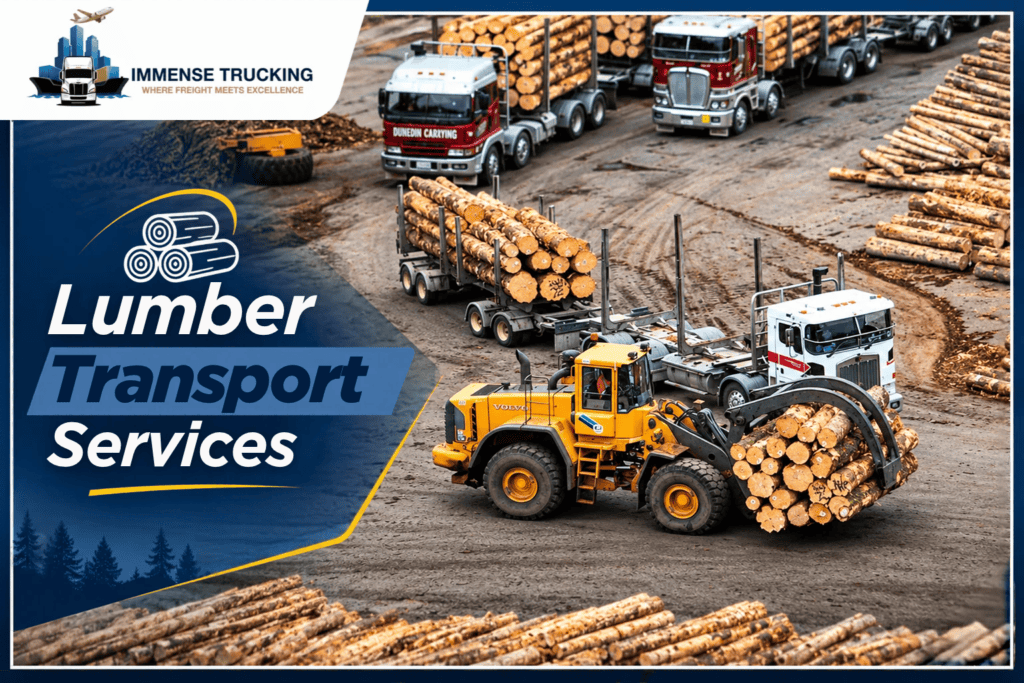
Lumber Trucking Company in Canada
Lumber Transport

How to Choose the Best Lumber Trucking Company in Canada

Moving lumber from sawmills to warehouses, construction sites, and retailers requires careful planning. Businesses need reliable transportation to keep their operations running smoothly. However, choosing the right carrier isn’t always easy. The best lumber trucking company should understand cargo requirements, delivery schedules, loading needs, and road conditions. It should also offer flexible transportation options for different types of wood products. With the right partner, businesses can reduce delays, protect their shipments, and manage freight more efficiently. We provide dependable lumber transport services to support businesses with their transportation and supply chain needs across Canada and the USA. Why Choosing the Right Lumber Trucking Company Matters Lumber is an important material for construction, furniture manufacturing, packaging, and other industries. However, transporting it requires more than simply loading wood onto a truck. Shipments must be handled properly to prevent damage during transit. A reliable trucking partner helps businesses manage these challenges. Moreover, it keeps deliveries organized and supports daily operations. When selecting a transportation provider, consider the following factors: Cargo handling: Proper loading and securement help protect lumber during transit. Delivery schedules: On-time transportation keeps projects and production moving. Equipment availability: Suitable trailers and trucks support different shipment sizes. Route planning: Efficient routes help reduce unnecessary delays. Communication: Regular updates make shipment tracking easier. Therefore, working with an experienced transportation provider can make lumber deliveries more predictable and manageable. Understanding Different Lumber Transport Services Every lumber shipment has different transportation needs. For example, some businesses move small quantities of processed wood, while others transport large loads of timber and construction materials. Our lumber transport services focus on coordinating shipments according to cargo size, weight, distance, and delivery requirements. Common lumber transportation needs include: Sawmill transportation: Moving processed lumber from production facilities to storage locations. Construction material delivery: Transporting wood products to building sites and contractors. Warehouse transfers: Moving lumber between distribution centres and storage facilities. Bulk lumber transportation: Coordinating larger shipments for manufacturers and suppliers. Long-distance freight: Supporting lumber deliveries across different Canadian and US locations. Additionally, businesses should discuss loading access and unloading arrangements before scheduling a shipment. This helps avoid problems at pickup and delivery locations. Check Experience in Lumber and Heavy Freight Transportation Experience is an important factor when choosing a trucking provider. Lumber shipments can vary in length, weight, quantity, and handling requirements. Therefore, a carrier should understand how to coordinate these loads. The best lumber trucking company should be able to review shipment details before arranging transportation. This includes checking cargo dimensions, weight limits, pickup conditions, and delivery requirements. We focus on understanding each shipment before coordinating its movement. As a result, businesses can receive transportation support that matches their operational needs. When reviewing a carrier’s experience, ask about: Previous experience with lumber and building materials. Available transportation equipment. Cargo securement procedures. Regional and cross-border transportation capabilities. Experience with commercial freight requirements. Furthermore, clear planning helps reduce the risk of unexpected transportation issues. Compare Transportation Coverage Across Canada and the USA Businesses often work with suppliers, manufacturers, and customers in different regions. Therefore, transportation coverage should be an important part of your decision. A trucking solutions company in USA can support freight movements between American suppliers, warehouses, and commercial customers. Similarly, Canadian businesses need reliable transportation connections between major industrial and distribution areas. We coordinate transportation requirements based on shipment locations and delivery schedules. Moreover, cross-border freight planning requires attention to customs documentation, applicable regulations, and border procedures. Before selecting a carrier, consider whether it can support: Domestic freight movements across Canada. Transportation between Canada and the USA. Regional deliveries for construction suppliers. Long-distance commercial shipments. Coordination between warehouses and distribution centres. As a result, businesses can manage transportation across multiple locations through a more organized process. Evaluate Equipment and Loading Requirements Not every truck is suitable for every lumber shipment. The right equipment depends on the dimensions, weight, packaging, and loading method of the cargo. For instance, long lumber products may require suitable trailer space. Likewise, heavier loads need proper weight distribution and securement. A professional transportation provider should review these requirements before arranging a truck. Important equipment considerations include: Trailer capacity and available deck space. Cargo dimensions and total shipment weight. Loading and unloading facilities. Proper load securement equipment. Access to suitable loading machinery. In addition, businesses should confirm whether the pickup and delivery locations have forklifts or other equipment available. Proper preparation makes lumber transportation safer and more efficient. It also helps prevent avoidable loading problems. Look for Reliable Logistics and Freight Coordination Transportation is only one part of the supply chain. Businesses also need proper coordination between suppliers, warehouses, carriers, and customers. The best logistics services in Canada help businesses organize these activities. They support shipment planning, freight coordination, storage arrangements, and delivery management. For example, a business may need to move lumber from a production facility to a warehouse before sending it to different construction sites. In this situation, organized logistics support can simplify the entire process. We focus on coordinating transportation requirements around business schedules and cargo needs. A dependable logistics partner should offer: Clear shipment planning. Pickup and delivery coordination. Communication throughout transportation. Flexible freight arrangements. Support for different cargo requirements. Furthermore, businesses should look for providers that understand changing shipment volumes and seasonal demand. Consider Drayage and Third-Party Logistics Support Some lumber shipments move through ports, rail terminals, and distribution facilities. These movements require coordination between different transportation methods. Drayage trucking services help move containers over shorter distances. For example, freight may need to travel from a port to a nearby warehouse or distribution centre. This service can be useful when lumber products arrive through international supply chains. However, businesses should confirm container availability, terminal requirements, and delivery arrangements before scheduling transportation. Similarly, 3PL logistics companies in Canada can help coordinate different supply chain activities. Third-party logistics support may include: Freight transportation coordination. Warehousing and storage arrangements. Shipment scheduling. Distribution planning. Coordination between different carriers. Therefore, businesses that handle multiple shipments may benefit from working with a logistics
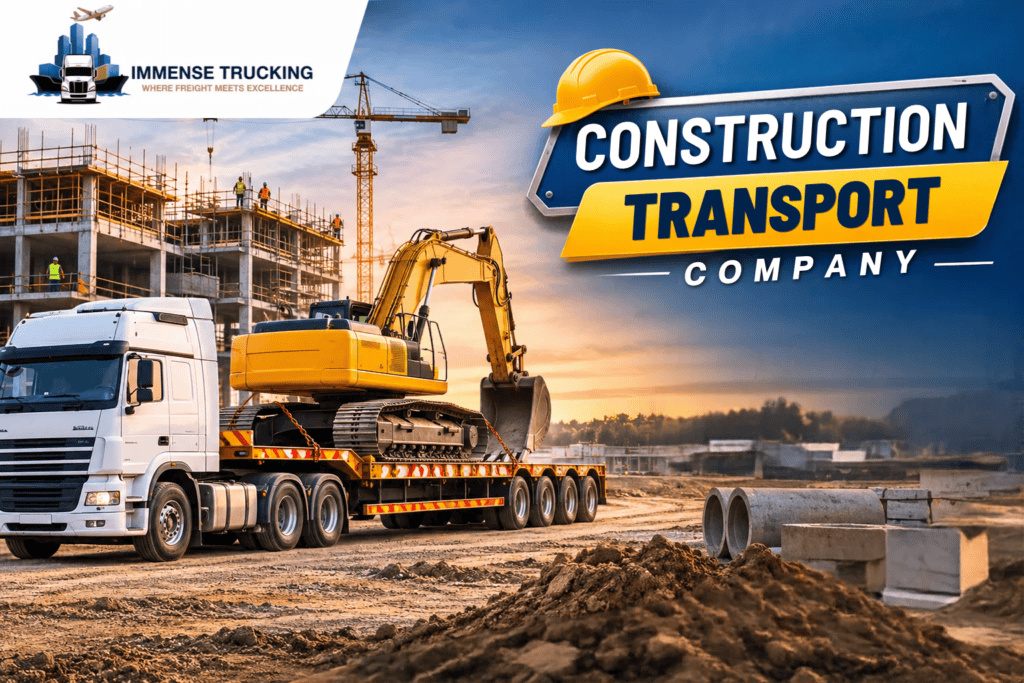
Construction Transport Company
Construction Logistics

Construction Transport Company for Reliable Project Delivery

Construction projects depend on the timely movement of materials, equipment, and heavy goods. From building supplies to large machinery, every shipment needs proper planning. Even a small transportation delay can affect project schedules and increase operating costs. That’s why choosing the right construction transport company matters for contractors, builders, suppliers, and developers. We understand that construction projects have different transportation needs. Some require regular deliveries of building materials, while others involve oversized loads or heavy equipment. Therefore, we focus on flexible freight and transportation solutions that support different project requirements. Our goal is to help businesses move construction goods safely and efficiently across Canada and the USA. Why Construction Transportation Is Important Construction work involves several stages. Each stage requires materials and equipment at the right time. If deliveries arrive late, workers may have to wait, and project activities can slow down. Reliable construction transportation services help businesses manage these movements. They also make it easier to coordinate suppliers, warehouses, and construction sites. A well-planned transportation process supports: Timely material delivery: Helps keep construction work on schedule. Equipment movement: Supports the transportation of machinery and tools. Freight coordination: Connects suppliers with construction sites. Project planning: Helps businesses organise deliveries in advance. Cost management: Reduces unnecessary trips and avoidable delays. Moreover, proper planning helps businesses manage changing project demands. Whether it’s a small material shipment or a large equipment load, the right transport arrangement makes a difference. What Does a Construction Transport Company Do? A construction transport company helps businesses move materials, machinery, and other project-related goods from one location to another. However, construction freight isn’t the same as regular commercial shipping. Some materials are heavy, oversized, or difficult to handle. Others need specific loading and unloading arrangements. That’s why transportation providers must understand the type of cargo before planning a shipment. Common construction freight includes: Steel beams and metal products. Lumber and wooden building materials. Concrete-related supplies. Bricks, tiles, and stone products. Construction machinery and equipment. Pipes, panels, and structural materials. Industrial tools and building supplies. Additionally, shipment size, cargo weight, road conditions, and delivery locations can affect transportation planning. We focus on suitable freight arrangements based on these requirements. How Construction Logistics Supports Building Projects Transportation is only one part of a construction supply chain. Businesses also need to manage storage, inventory, loading, and delivery schedules. A reliable construction logistics company in Canada can help coordinate these activities. This makes it easier to move materials between suppliers, warehouses, distribution centres, and job sites. Our logistics approach supports different business requirements through flexible services. These may include: Domestic freight transportation. Full Truckload (FTL) shipping. Less Than Truckload (LTL) shipping. Heavy and oversized cargo coordination. Warehouse and storage support. International freight arrangements. Container transportation. Delivery planning and shipment coordination. Furthermore, construction demand can change during a project. A business may need more materials during one stage and fewer during another. Flexible logistics arrangements help manage these changes without adding unnecessary complexity. Construction Transportation Services for Different Materials Every construction material has different transportation requirements. For example, steel products need secure loading, while lumber must be protected during transit. Similarly, heavy machinery may require specialised trailers and careful route planning. Our construction transportation services can support businesses moving different types of freight. 1. Building Material Transportation Construction sites need a steady supply of materials. These include lumber, steel, cement products, panels, and other building supplies. Proper scheduling helps ensure that materials reach the required location at the right time. It also helps reduce storage pressure at busy construction sites. 2. Heavy Equipment Transportation Construction machinery can be difficult to move because of its size and weight. Equipment such as forklifts, industrial machines, and other heavy units needs suitable transportation arrangements. Before arranging a shipment, businesses should consider cargo dimensions, weight limits, loading requirements, and delivery access. 3. Industrial and Structural Freight Large steel components, structural materials, and industrial products may require special handling. Therefore, businesses should share accurate shipment details before transportation begins. This helps identify suitable equipment and plan the movement more effectively. The Role of Drayage Trucking Services in Construction Logistics Many construction materials and equipment arrive through international supply chains. These shipments may travel by ocean freight or rail before reaching their final destination. This is where drayage trucking services become important. Drayage involves moving shipping containers over short distances. It connects ports, rail terminals, warehouses, and distribution centres. For construction businesses, drayage can support: Moving imported building materials from ports. Transferring containers between terminals and warehouses. Connecting ocean freight with road transportation. Moving construction supplies to distribution facilities. Supporting import and export cargo movements. Moreover, proper container coordination can help reduce delays during the transfer process. This is especially useful when construction materials need to move through several transportation stages. Choosing Among Trucking Companies in Brampton Ontario Brampton is an important location for transportation, warehousing, and freight movement in Ontario. Businesses operating in the construction sector often need reliable transport connections for local and regional deliveries. When comparing trucking companies in Brampton Ontario, it’s important to understand what each provider can support. Don’t focus only on transportation prices. Instead, consider the following factors: 1. Freight handling experience Choose a provider that understands construction materials, heavy goods, and different cargo requirements. 2. Flexible shipping options Your business may need FTL, LTL, domestic, or international transportation. Flexible services make freight planning easier. 3. Delivery coordination Clear scheduling and communication help businesses prepare for incoming materials. 4. Suitable transportation arrangements Different cargo types need different vehicles and loading methods. Therefore, shipment details should be reviewed before dispatch. 5. Supply chain support A provider that can coordinate transportation and warehousing may help simplify your logistics operations. By reviewing these points, businesses can make better decisions when selecting a transportation partner. Why Businesses Need a Logistics Company in Brampton Ontario Construction suppliers and contractors often work with multiple vendors. They may receive materials from local manufacturers, international suppliers, and regional distribution centres. As a result, choosing a suitable logistics company in Brampton

trucking solutions company canada
Trucking Company

How to Choose the Right Trucking Solutions Company in Canada

Choosing a reliable trucking partner can make a real difference to a business’s daily operations. Delayed shipments, unclear pricing, and poor communication can disrupt schedules and increase costs. Therefore, finding the right trucking solutions company Canada businesses can depend on requires more than comparing transportation rates. It involves checking service capabilities, safety practices, delivery coverage, and experience with different types of freight. From small local shipments to cross-border deliveries, the right partner helps goods move safely and efficiently. Understanding what to look for makes it easier to select a transportation provider that fits the business’s needs today and as it grows. 1. Start With the Freight, Not Just the Price Every shipment has different requirements. A company moving construction materials needs a different transport arrangement from a distributor shipping refrigerated food. Before comparing providers, businesses should identify what needs to move, where it must go, and when it should arrive. A suitable trucking solutions company in Canada should understand these requirements before recommending a service. Important details include: Freight type: General goods, construction materials, agricultural products, and temperature-sensitive cargo may require different equipment. Shipment size: Full truckload (FTL) and less-than-truckload (LTL) services suit different volumes. Delivery schedule: Regular deliveries may need planned routes, while urgent shipments require greater flexibility. Handling requirements: Heavy, fragile, oversized, or perishable goods may need special loading procedures. Delivery locations: Rural destinations, industrial facilities, warehouses, and retail locations can have different access requirements. Once these details are clear, it becomes easier to compare suitable providers. Businesses can also avoid paying for services they don’t need. 2. Check Whether the Service Range Matches Business Needs A trucking provider should offer services that align with the company’s shipping patterns. However, a long list of services doesn’t automatically mean a provider is the right fit. The important question is whether it can manage the specific freight involved. Reliable transportation services in Canada may include domestic trucking, regional freight movement, cross-border transportation, and container drayage. Some providers also coordinate warehousing and connections with air or ocean freight. Businesses should check whether a provider can support: Full truckload shipments for larger or dedicated loads. Less-than-truckload freight for smaller shipments. Refrigerated transportation for goods that require temperature control. Drayage services for moving shipping containers between ports, rail terminals, and nearby facilities. Cross-border freight between Canada and the United States. Warehousing or distribution support when storage is part of the supply chain. For instance, a growing food distributor may need refrigerated deliveries today but require additional warehouse coordination later. A provider with relevant experience and adaptable services can make that transition easier. A company such as Immense Trucking can serve as a reference point when evaluating how trucking, freight coordination, and different transportation requirements fit together. The key is to assess the actual service match rather than rely on a provider’s general claims. 3. Look Beyond the Map When Comparing Delivery Coverage A provider may advertise broad coverage without having the same level of experience in every region. Therefore, businesses should confirm the actual routes, delivery areas, and cross-border capabilities available for their shipments. For companies operating in Ontario, searching for trucking companies in Brampton Ontario can be a practical starting point. Brampton is an important location for businesses connected to warehousing, distribution, and freight movement. Still, proximity alone shouldn’t determine the final choice. Before selecting a provider, businesses should ask: Which Canadian provinces and cities does the company serve? Can it arrange shipments between Canada and the United States? Does it regularly handle freight on the required routes? Are remote or less frequently served destinations available? How are delays, route changes, and border-related issues communicated? Companies with American customers may also need a trucking solutions company in USA or a Canadian provider experienced in cross-border transportation. In either case, documentation, customs coordination, and delivery scheduling need careful attention. Clear answers help businesses determine whether the provider’s real operating capabilities match the advertised service area. 4. Treat Safety and Compliance as Essential Checks Freight transportation involves more than getting cargo from one address to another. Vehicles, drivers, loading procedures, and documentation all affect shipment safety. Before entering an agreement, businesses should review the provider’s safety standards and relevant operating requirements. The exact checks will depend on the freight, route, vehicle, and jurisdiction. Useful questions include: Does the company maintain appropriate operating authority and insurance? Are drivers properly licensed and qualified for the work? Are vehicles inspected and maintained according to applicable requirements? Are cargo securement procedures suitable for the shipment? Can the provider explain its process for reporting damage, accidents, or delays? Are cross-border documentation requirements addressed when applicable? Insurance deserves particular attention. Businesses should confirm what coverage applies to their cargo and whether the limits are appropriate for the shipment’s value. Additionally, special freight may require specific handling procedures. Heavy machinery, construction materials, and temperature-sensitive goods each create different risks. A dependable provider should answer these questions clearly and supply relevant documentation when requested. Businesses shouldn’t rely on verbal assurances alone. Checking these details early can help prevent avoidable disputes and disruptions later. 5. Compare Quotes by Their Full Cost The lowest quote may look attractive, but the initial rate doesn’t always reflect the final transportation cost. Additional charges, waiting time, special handling, and delivery restrictions can affect the total. When comparing a trucking solutions company Canada businesses are considering, each quote should cover the same shipment details. Otherwise, the comparison may be misleading. A useful freight quote should clarify: Base transportation charges. Fuel surcharges and applicable accessorial fees. Loading and unloading responsibilities. Detention or waiting-time charges. Special equipment or temperature-control costs. Potential tolls, border-related charges, or other applicable fees. Payment terms and cancellation conditions. For example, one provider might offer a lower base rate but charge separately for loading assistance. Another may include that service in its quote. The second option could provide better overall value, depending on the shipment. Businesses should also ask how rates may change when shipment volumes increase or delivery schedules become more frequent. Transparent pricing

Trucking Companies in Brampton Ontario
Trucking Company

Trucking Companies in Brampton Ontario: Freight Guide

Finding the right trucking companies in brampton ontario can make freight transportation easier for businesses of every size. Whether we move industrial equipment, building materials, retail products, or shipping containers, we need a transport partner that understands our deadlines and cargo requirements. Brampton offers access to major highways, distribution centers, warehouses, and important commercial routes across Ontario. Therefore, choosing suitable transportation services can help us manage deliveries, control costs, and maintain an efficient supply chain. In this guide, we explore essential freight services, equipment handling options, and practical ways to choose transportation support that fits our business needs. 1. Why Brampton Is an Important Location for Freight Transportation Brampton plays an important role in Ontario’s transportation network. Its location near major highways and the Greater Toronto Area makes it useful for regional distribution and long-distance freight movement. We can use this location to connect warehouses, manufacturing facilities, retailers, and distribution hubs. Moreover, access to nearby transportation infrastructure helps businesses coordinate incoming materials and outgoing orders. A well-planned freight network can reduce unnecessary handling and support timely deliveries. When we assess a transport provider, we should consider its service area, equipment availability, scheduling process, and experience with our type of cargo. Highway access: Supports freight movement across Ontario and neighbouring markets. Warehouse connections: Helps coordinate inventory transfers and distribution. Regional deliveries: Makes it easier to serve commercial customers across the Greater Toronto Area. Flexible scheduling: Supports changing shipment volumes and delivery requirements. 2. Choosing a Freight Partner That Understands Our Business Working with a logistics solutions company in Canada can help us coordinate transportation, storage, and shipment planning through a more organised process. However, we should look beyond basic delivery rates. Our ideal partner should understand our cargo, delivery windows, documentation needs, and operational challenges. Clear communication is equally important because unexpected delays can affect production schedules and customer commitments. We should also ask about shipment tracking, insurance requirements, and procedures for handling damaged or delayed freight. By comparing these details, we can make an informed decision and build a transportation arrangement that supports our long-term business goals. Service coverage: Confirm whether the provider serves our regular pickup and delivery locations. Cargo experience: Check its ability to handle our specific freight requirements. Communication: Look for clear updates and accessible customer support. Cost transparency: Review fuel charges, waiting fees, and other possible expenses. 3. Matching Transportation Services to Different Cargo Needs Every shipment requires a suitable transportation plan. Our freight may include palletised products, construction supplies, machinery, or oversized commercial equipment. A professional trucking solutions company canada businesses can work with should help us identify suitable vehicles, loading arrangements, and delivery schedules. For example, dry van trailers may suit general freight, while flatbed equipment can accommodate certain oversized loads. Specialized cargo may require additional permits, securement methods, or careful route planning. We should explain our shipment dimensions, weight, loading conditions, and delivery deadlines before requesting a quote. This information helps us avoid unsuitable equipment and unnecessary transportation expenses. Dry van freight: Suitable for many boxed and palletised goods. Flatbed transportation: Useful for compatible construction materials and machinery. Specialised hauling: May require additional equipment and regulatory planning. Scheduled deliveries: Help coordinate receiving teams and unloading operations. 4. Moving Heavy Equipment Without Unnecessary Delays Industrial operations often depend on moving heavy equipment between warehouses, factories, construction sites, and distribution facilities. When arranging a forklift service in Canada, we should identify whether we need equipment handling, loading assistance, unloading support, or a complete transportation arrangement. Forklifts can help move palletised goods and heavy items when the equipment has the appropriate capacity and attachments. However, safe handling depends on load weight, ground conditions, operator training, and available space. We should plan access points and confirm the receiving location before dispatch. Good preparation helps reduce handling risks and keeps our freight movement organised. Load assessment: Confirm the weight, dimensions, and stability of each item. Site preparation: Keep loading zones clear and accessible. Qualified operators: Use trained personnel for equipment handling. Safety checks: Verify that the selected equipment suits the task. 5. Planning Equipment Deliveries Across Canadian Routes Transporting forklifts requires more than arranging a vehicle. We must consider machine dimensions, operating weight, loading access, and the distance between pickup and delivery locations. Professional forklift transport in Canada can support businesses relocating equipment between facilities or receiving newly purchased machines. Depending on the equipment, a suitable trailer, secure loading system, and specialised hauling arrangement may be necessary. We should also confirm whether the forklift can be driven onto the trailer safely or requires alternative loading equipment. By sharing accurate specifications before booking, we can improve scheduling and reduce the risk of unexpected charges. Equipment measurements: Provide the machine’s dimensions and weight. Trailer selection: Match the vehicle to the forklift’s specifications. Secure loading: Confirm appropriate restraints and loading procedures. Delivery access: Check site entrances, ground conditions, and unloading space. 6. Renting Equipment for Temporary Freight Operations Buying equipment may not make financial sense when our operational needs change throughout the year. For short-term projects, seasonal demand, or temporary warehouse expansion, forklift rental in Canada may provide a practical alternative. Renting can help us access suitable machinery without committing to a long-term purchase. Before selecting a rental arrangement, we should consider the duration, lifting capacity, operating environment, and maintenance responsibilities. We must also check operator requirements and the rental agreement’s terms. A clear assessment of these factors helps us choose equipment that meets our needs while keeping project expenses manageable. Project duration: Select a rental period that matches the work schedule. Lifting capacity: Ensure the machine can safely handle the intended loads. Maintenance terms: Clarify responsibility for servicing and breakdowns. Operating costs: Compare rental fees, delivery charges, and other expenses. 7. Coordinating Port-Related Freight and Container Movement Businesses receiving imported goods often need transportation between ports, rail terminals, container yards, and warehouses. In these situations, drayage trucking services help move containers over relatively short distances as part of a wider freight journey. We should coordinate pickup appointments, container availability,

Heavy Equipment Logistics Solutions
Machinery Transportation

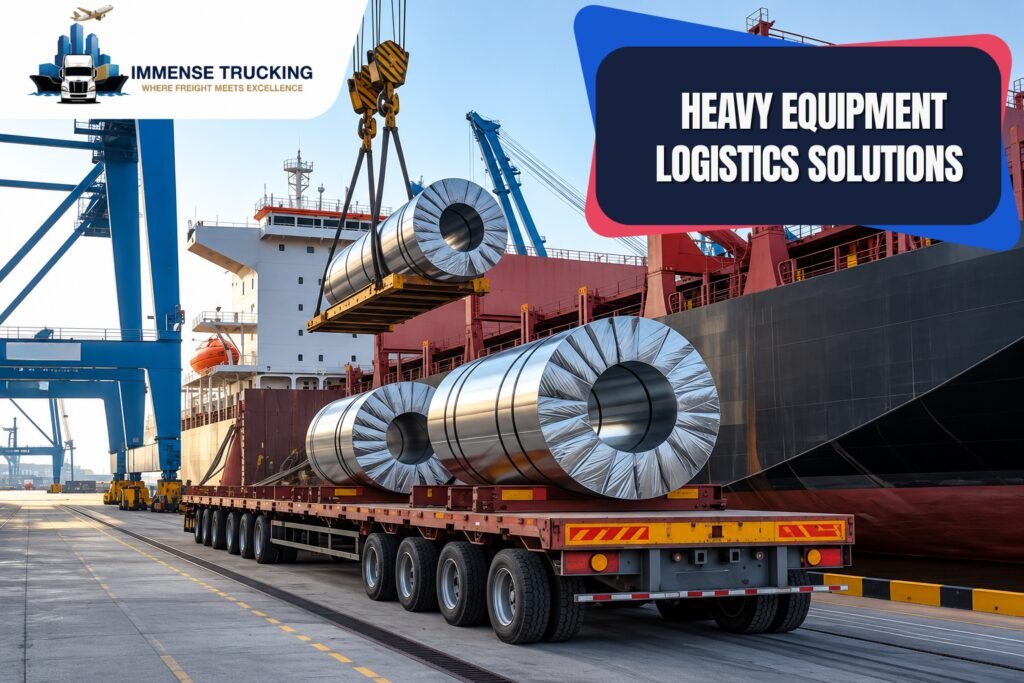
Understanding the Costs of Heavy Equipment Logistics Solutions

Introduction Heavy equipment rarely moves like ordinary freight. A bulldozer, excavator, agricultural machine, industrial generator, or construction loader may require specialized trailers, careful loading, route planning, permits, and coordinated delivery. So, how much do heavy equipment logistics solutions cost? There is no single standard price. The final cost depends on the equipment’s size and weight, origin and destination, route, trailer type, permits, fuel, loading requirements, delivery schedule, and whether additional services are needed. For businesses planning machinery transportation services, understanding these cost drivers is more useful than relying on a simple price-per-mile estimate. What Determines Heavy Equipment Transportation Costs? Heavy equipment transportation usually involves several cost components. Some are easy to identify, while others only become apparent after the shipment has been assessed. 1. Equipment Size and Weight The first factor is the physical specification of the machine. A compact excavator may fit within standard transportation limits. A large crane or construction machine may exceed normal width, height, length, or weight limits. When a shipment becomes oversized or overweight, transportation may require special permits, route restrictions, escorts, or additional planning. In the United States, oversize and overweight requirements vary by jurisdiction, so the route must be checked before the equipment moves. 2. Trailer and Equipment Requirements The type of trailer also affects the quote. Depending on the cargo, a shipment might require a flatbed, step-deck, lowboy, RGN, or another specialized configuration. The correct choice depends on the equipment’s dimensions, ground clearance, loading method, and weight distribution. For example, a tall machine may need a lower deck to maintain adequate highway clearance. A tracked machine may also require specific securement procedures. 3. Distance and Route Distance matters, but mileage alone does not determine the cost. A route with major highways and straightforward access can be easier to manage than a shorter route involving restricted roads, low bridges, steep grades, weight limits, or congested urban areas. Therefore, logistics planners should evaluate the complete route instead of comparing transportation quotes solely by mileage. 4. Permits, Escorts, and Route Planning Oversized equipment can require permits from state or local authorities. Depending on the shipment, the carrier may also need pilot cars, escorts, warning signs, route surveys, or restrictions on travel times. The requirements differ between jurisdictions. As a result, a route that works for one shipment may not be suitable for another. Cargo securement is another important consideration. Federal Motor Carrier Safety Administration rules specifically address heavy vehicles, equipment, and machinery weighing 10,000 pounds or more. 5. Loading and Unloading Loading is not simply a matter of putting machinery onto a trailer. The shipper needs to determine whether the equipment can drive onto the trailer or requires a crane, forklift, ramp, or other loading equipment. The same consideration applies at the delivery point. If the destination lacks suitable unloading equipment, additional logistics warehousing services or material-handling support may be necessary. How Can Businesses Estimate the Cost Before Shipping? A practical estimate starts with accurate shipment information. Before requesting a quote, collect: Equipment type and model Overall length, width, and height Total weight Pickup address Delivery address Loading method Unloading requirements Preferred delivery date Whether the equipment is operational Required trailer type, if known Cross-border requirements, when applicable This information allows transportation providers to assess the shipment more accurately. For example, saying “ship one excavator” is not enough to build a detailed transportation plan. The excavator’s actual dimensions and weight can determine whether standard equipment is appropriate or whether specialized hauling is required. Where Does Intermodal Drayage Fit Into Heavy Equipment Logistics? Intermodal drayage in Canada is generally the short-distance movement of containerized freight between transportation facilities such as ports, rail terminals, warehouses, and transload locations. Transport Canada describes drayage as overland movement connecting cargo with locations such as seaports, rail yards, warehouses, and transload centers. This distinction matters because heavy equipment does not always move entirely by truck. Some machinery may travel internationally by ocean or rail before a truck handles the final inland segment. In that situation, transportation planning may combine ocean or rail transportation with local trucking, terminal handling, and final delivery. Canada’s rail system includes intermodal terminals that connect truck and rail transportation, making multimodal planning relevant for businesses moving freight over longer distances. However, businesses should not automatically assume that intermodal transportation will reduce costs. The equipment must be compatible with the selected transport method, and terminal handling, transfers, equipment restrictions, and additional handling can influence the total landed cost. Industry-Specific Cost Considerations Different industries create different transportation challenges. Construction and Industrial Equipment Construction machinery often requires specialized trailers because of its size and weight. Excavators, loaders, cranes, and other equipment may also need careful securement and route planning. For project-based shipments, delivery timing can be just as important as transportation cost. A delayed machine can affect an entire construction schedule. Agriculture Transportation Services Agricultural machinery can include tractors, combines, harvesters, and specialized farm equipment. Seasonal demand can influence transportation availability. Furthermore, rural pickup and delivery locations may require additional route planning because of road conditions, access restrictions, or limited loading facilities. Lumber and Building Materials Businesses using lumber transport services may move heavy or unusually shaped materials alongside equipment and machinery. Load dimensions, weight distribution, securement, and delivery-site access should be reviewed before dispatch. Food and Beverage Freight Food beverage logistics services operate under different requirements because many products are sensitive to temperature, handling conditions, and delivery timing. Heavy equipment may not be the cargo itself, but machinery can still support food-production facilities. For example, processing equipment, refrigeration systems, packaging machinery, and production components may require specialized transportation. Manufacturing and Industrial Supply Chains Manufacturers often need machinery delivered directly to factories, plants, warehouses, or construction sites. In these situations, transportation is only one part of the process. Storage, staging, unloading, installation coordination, and final-mile delivery may also influence the overall logistics budget. Comparing Canadian Transportation Options Businesses moving equipment or related freight across Canada may evaluate several transportation methods. Transportation option Best suited for Main cost consideration Full

Recycling Transportation Services
Recycling Transportation

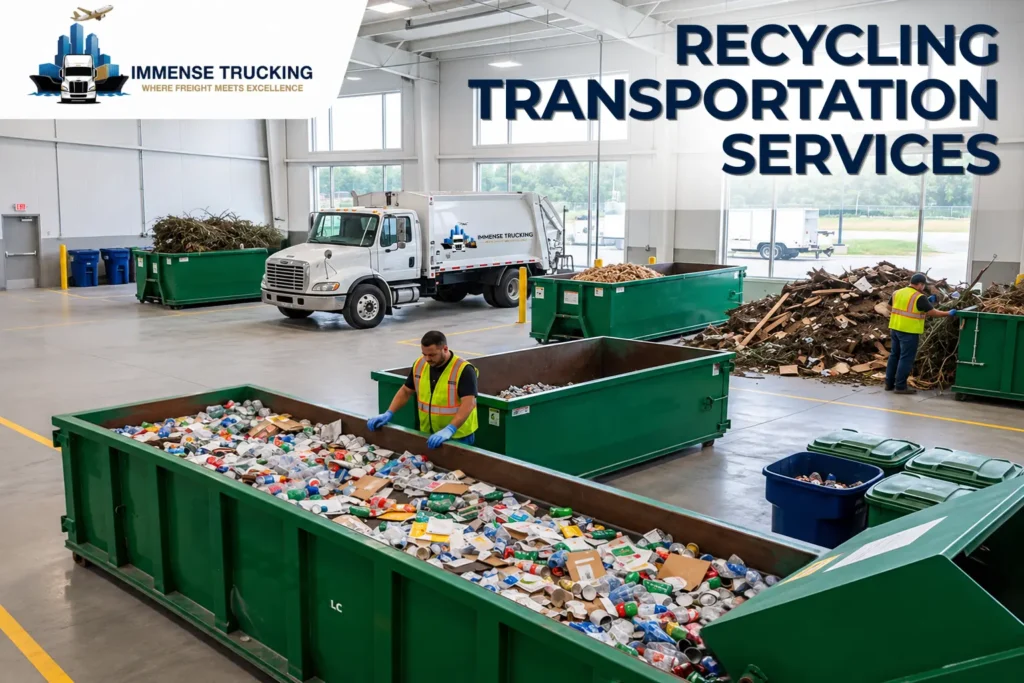
Recycling Transportation Services for Smarter Waste Logistics

Recycling Transportation Services: A Practical Guide to Smarter Waste Logistics Recycling transportation services help businesses move recyclable materials safely and efficiently from collection points, facilities, construction sites, warehouses, and manufacturing operations to appropriate processing or recovery facilities. Effective recycling logistics depends on more than finding a truck. Businesses must consider material type, volume, equipment, routing, receiving-facility requirements, and applicable transportation regulations. For companies handling recurring waste streams, a well-organized transportation plan can reduce unnecessary trips, improve scheduling, and make recycling operations easier to manage. What Are Recycling Transportation Services? Recycling transportation services cover the collection and movement of recyclable materials between locations. Depending on the material, this can involve local trucking, specialized trailers, containers, roll-off equipment, or multimodal transportation. Common materials include: Cardboard and paper Plastics Glass Scrap metal Wood Construction and demolition materials Electronic equipment Tires Certain industrial materials The appropriate transportation method depends on the characteristics of the material and the requirements of the receiving facility. For example, a construction site generating scrap metal and wood may require a different transportation arrangement from a manufacturing plant producing large quantities of cardboard and plastic packaging. How Do Recycling Trucking Companies Support Waste Logistics? Recycling trucking companies provide the physical transportation link between businesses and recycling or processing facilities. Their role can include scheduled pickups, dedicated routes, short-haul transportation, and coordination of equipment and delivery appointments. A business should provide accurate information about the material, estimated quantity, pickup frequency, loading conditions, and destination before arranging transportation. This information allows the carrier to determine whether a particular truck or trailer is appropriate and whether special handling considerations apply. Building a More Efficient Recycling Supply Chain A recycling supply chain logistics company may coordinate several parts of the material movement process rather than focusing only on the truck. A typical recycling supply chain can include: Material segregation at the source. Temporary storage or collection. Transportation to a processing facility. Sorting or processing. Movement of recovered materials to manufacturers or other end users. Good coordination between these stages matters. If recyclable material accumulates faster than it can be collected, storage areas can become congested. On the other hand, sending trucks before enough material is available can create unnecessary transportation costs. Practical Steps for Better Recycling Transportation 1. Identify the Material Start by determining exactly what is being transported. Different materials have different handling and transportation requirements. Do not assume that all waste can be treated as ordinary recyclable freight. Batteries, chemicals, contaminated materials, and certain industrial products may fall under additional regulatory requirements. 2. Estimate Weight and Volume Accurate estimates help determine vehicle requirements and pickup frequency. Businesses should consider both weight and physical volume because a shipment can reach a vehicle’s space limit before reaching its maximum weight capacity. 3. Confirm the Receiving Facility Before dispatching a truck, confirm that the destination accepts the material and understands the shipment requirements. This is particularly important when working with specialized recycling or processing facilities. 4. Plan Pickup Frequency Recurring waste streams may benefit from scheduled transportation. The right frequency depends on generation rates, available storage space, production schedules, and facility operating hours. 5. Consider Loading Requirements A location may require forklifts, loading docks, containers, ramps, or other equipment. In Canada, for example, a business arranging forklift rental in Canada for a recycling or industrial operation may need to coordinate the rental period with the carrier’s arrival and the facility’s loading schedule. Industry-Specific Recycling Logistics Different industries generate different materials and face different transportation challenges. Construction and Demolition Construction sites can generate concrete, scrap metal, wood, cardboard, drywall, and other recoverable materials. A construction transport company working with these sites needs to account for changing project schedules, site access, loading areas, and the availability of heavy equipment. Transportation planning is particularly important when materials need to leave the site regularly to prevent storage areas from becoming overloaded. Heavy Equipment and Industrial Operations Industrial businesses may need to move machinery, components, scrap metal, equipment, or other oversized materials. Heavy equipment logistics solutions can involve route planning, appropriate trailers, loading equipment, permits, and coordination between multiple parties. The same principles can apply when recyclable materials are generated during equipment replacement, facility upgrades, or industrial projects. Food and Beverage Operations Food and beverage facilities commonly generate cardboard, glass, plastics, packaging, pallets, and other materials. Food beverage logistics services may involve recurring transportation schedules because these businesses can generate consistent volumes of packaging and other recyclable material. Separating materials at the source can also make transportation and downstream processing more straightforward. Pharmaceutical Operations Pharmaceutical facilities require careful handling of products, packaging, and materials that may be subject to specific rules. Businesses researching pharma logistics services Canada should distinguish ordinary recyclable packaging from pharmaceutical products, contaminated materials, or other regulated waste. Canadian transportation and waste requirements can differ from those in the United States, so businesses should verify the rules that apply to their specific shipment and jurisdiction. Can Recycling Transportation Use Intermodal Freight? Yes. Longer supply chains may combine trucking with rail or ocean transportation. Intermodal drayage in Canada, for instance, refers to the short-distance movement of containers between ports, rail terminals, warehouses, distribution centers, and other nearby facilities. Drayage can become one part of a larger transportation network. A shipment might travel by truck from a collection facility to a rail terminal, move by rail over a longer distance, and then return to a truck for final delivery. Similarly, sea freight shipping companies can play a role when recovered materials or recyclable commodities move internationally. Ocean transportation is generally considered as part of the broader supply chain rather than a replacement for local collection and trucking. Choosing a Transportation Provider Businesses often compare multiple transportation providers before selecting a carrier. Searching for the best logistics company in Canada, for example, may produce many options, but a useful comparison should focus on the requirements of the particular shipment rather than a generic ranking. Consider factors such as: Relevant transportation experience Available equipment Geographic coverage Scheduling capabilities Communication procedures

Warehousing Logistics Services
Warehousing Logistics

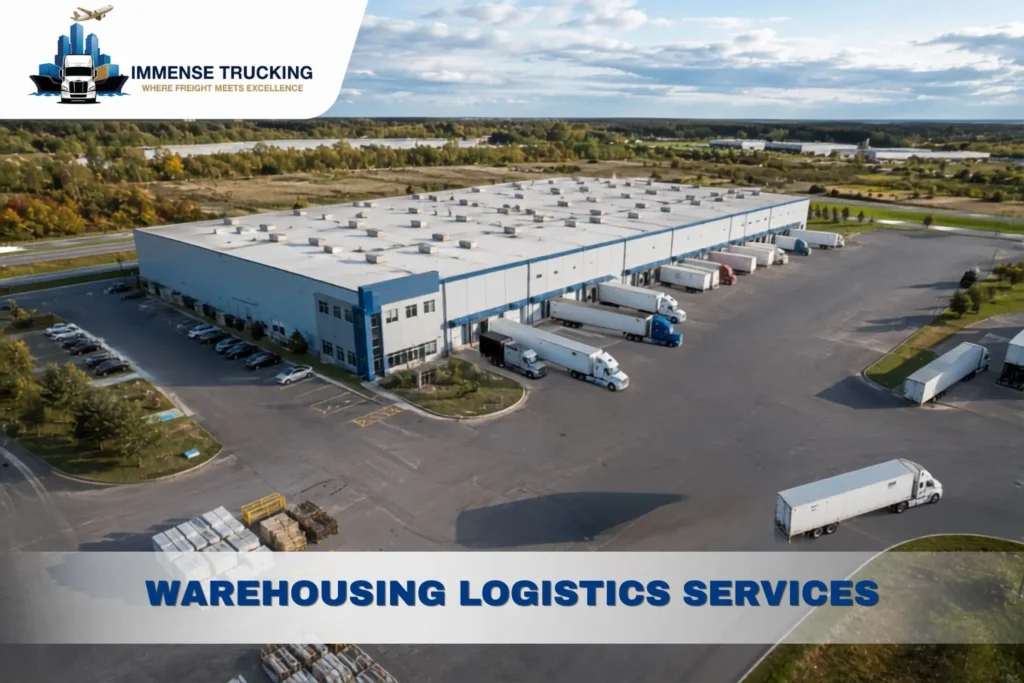
Warehousing Logistics Services for Efficient Supply Chain Management

Warehousing Logistics Services: Building Smarter Supply Chains In today’s competitive market, warehousing logistics services play an essential role in helping businesses store, organize, and move products efficiently. Companies need reliable storage solutions that support inventory control, faster order fulfillment, and smooth transportation operations. Moreover, professional warehousing solutions allow businesses to reduce delays while improving overall supply chain performance. As industries continue to expand, companies are searching for dependable partners that can manage their goods safely from storage facilities to final destinations. Therefore, choosing the right warehousing provider helps businesses maintain flexibility, reduce operational costs, and achieve long-term growth through efficient logistics management. Modern supply chains require more than simple storage spaces. Instead, businesses need advanced facilities that provide inventory tracking, distribution support, loading services, and transportation coordination. Furthermore, a reliable warehousing logistics services provider connects storage operations with transportation networks to create a seamless supply chain experience. From small businesses to large enterprises, effective warehouse management improves productivity and customer satisfaction. Additionally, companies working with experienced logistics providers can handle seasonal demand, international shipments, and complex distribution requirements with greater confidence. How Warehousing Logistics Services Improve Supply Chain Efficiency Efficient storage management is one of the most important elements of successful logistics operations. Logistics warehousing services​ help businesses maintain organized inventory while ensuring products are available whenever customers need them. Consequently, companies can avoid stock shortages, reduce unnecessary storage costs, and improve delivery timelines. A professional warehouse solution includes several important processes, such as: Inventory management and tracking Product receiving and inspection Order preparation and fulfillment Packaging and labeling support Distribution coordination Transportation planning Moreover, advanced warehouse systems provide real-time inventory visibility. As a result, businesses can make better decisions regarding stock levels, purchasing, and shipment scheduling. Additionally, technology-driven warehouse operations reduce human errors and improve accuracy throughout the supply chain. A reliable logistics solutions company in Canada understands the importance of maintaining organized facilities and efficient workflows. Therefore, businesses can depend on professional warehouse partners to manage products securely while focusing on their core operations. The Role of Warehousing Logistics Services in Modern Businesses Businesses today operate in a fast-moving environment where customer expectations continue to increase. Because of this, companies require flexible storage and distribution solutions that support quick deliveries. Warehousing logistics services provide the foundation needed to handle growing order volumes and changing market demands. Furthermore, warehouses act as important connection points between manufacturers, suppliers, retailers, and customers. They ensure products move smoothly through every stage of the supply chain. For example, a company importing goods from overseas can store products locally before distributing them across different regions. Additionally, professional warehouse providers help businesses reduce transportation challenges. By combining storage facilities with transportation expertise, companies can create more efficient delivery routes and minimize unnecessary movement. Many organizations also work with 3PL logistics companies in Canada because third-party logistics providers offer complete supply chain support. These companies manage warehousing, transportation, inventory, and distribution services under one integrated system. As a result, businesses can save time while improving operational efficiency. Key Features of Professional Warehousing Solutions A successful warehouse operation requires advanced features that support accuracy, security, and speed. Therefore, businesses should choose providers that offer comprehensive warehousing logistics services designed according to their specific requirements. Advanced Inventory Management Inventory accuracy is crucial for every business. Therefore, modern warehouses use digital tracking systems to monitor product movement, storage locations, and stock availability. Additionally, these systems help companies prevent inventory losses and maintain better control over their products. Secure Storage Facilities Product safety is another major factor in warehouse management. Professional facilities include proper security measures, organized storage areas, and suitable handling equipment. Consequently, businesses can protect valuable products while maintaining quality standards. Flexible Distribution Support Market demands can change quickly. Therefore, flexible warehouse solutions allow businesses to adjust storage space and distribution strategies according to their needs. This flexibility becomes especially important during seasonal sales periods or business expansion. Transportation Integration Warehousing and transportation work together to create a successful supply chain. Hence, many businesses prefer providers that offer both storage and shipping support. By connecting warehouse operations with road, ocean, and air transportation networks, companies achieve faster and more reliable deliveries. Connecting Warehousing Logistics Services With Transportation Networks Efficient transportation is a vital part of successful supply chain management. Therefore, warehousing logistics services become more valuable when they are connected with reliable transportation solutions. Businesses need a smooth transition between storage facilities and delivery routes to ensure products reach customers on time. Moreover, professional warehouse providers coordinate with transportation networks to reduce handling delays and improve shipment accuracy. For instance, when goods arrive at a warehouse, they can be inspected, stored, organized, and prepared for immediate transportation. As a result, businesses experience faster order processing and improved customer satisfaction. A dependable logistics solutions company in Canada combines warehousing expertise with transportation capabilities to support different industries. Additionally, these companies help manage local deliveries, regional transportation, and international shipments through advanced planning and efficient operations. Supporting Global Trade Through Warehousing and Freight Services Global businesses require strong logistics networks to manage international shipments effectively. Therefore, warehouses play an important role in supporting global trade by providing secure storage before and after transportation. Companies involved in international shipping often require coordination between warehouses, ports, airports, and distribution centers. Because of this, professional warehousing logistics services help businesses maintain better control over imported and exported goods. Furthermore, companies that use international air cargo services benefit from warehouse facilities that can quickly process urgent shipments. Air freight requires accurate handling, proper documentation, and fast movement. Therefore, integrated warehousing support ensures products are prepared efficiently before air transportation. Similarly, businesses working with an ocean freight shipping company need reliable storage solutions near ports and distribution hubs. These facilities help manage large-volume shipments while maintaining inventory accuracy. Additionally, warehouse coordination reduces unnecessary waiting time and improves overall shipping efficiency. How Road Transportation Supports Warehouse Operations Road transportation remains one of the most important parts of supply chain distribution. Therefore, warehouses require dependable trucking connections

Drayage Services

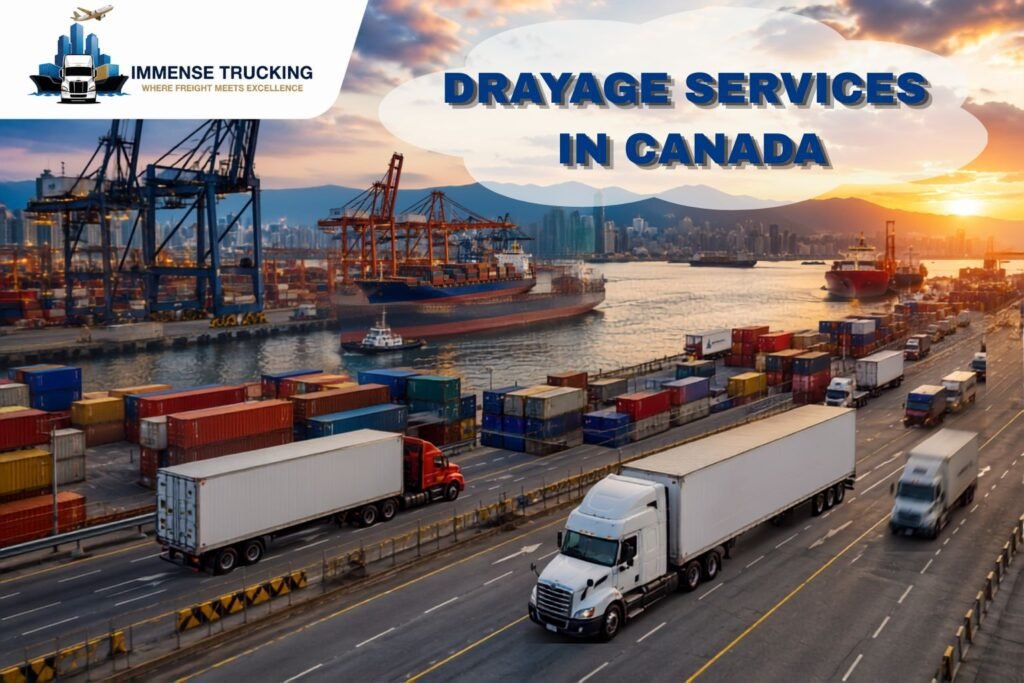
Drayage Services in Canada for Fast & Secure Freight

Drayage Services in Canada: The Smart Way to Move Freight Moving freight isn’t always simple. Today, containers travel between ports, rail terminals, warehouses, and customer locations every day. Therefore, dependable drayage services in Canada are essential for keeping shipments on schedule. As a result, businesses avoid costly delays and improve customer satisfaction. Moreover, smooth transportation supports stronger supply chain performance. Every shipment follows a different route. So, careful planning matters from the beginning. In addition, experienced drivers and reliable equipment help reduce risks during transit. Because of this, businesses can focus on growth instead of transportation challenges. Overall, efficient drayage creates a faster and more dependable logistics process. Why Drayage Services Matter More Than Ever Canada depends on efficient freight transportation. Today, thousands of containers arrive at ports and rail terminals every day. Next, those containers must move quickly to warehouses or distribution centers. Otherwise, supply chains can slow down, and delivery schedules may suffer. We make that first and last mile easier. As a result, shipments continue moving without unnecessary interruptions. Furthermore, our team coordinates every delivery carefully to improve efficiency. At the same time, we keep customers informed throughout the transportation process. What Happens During the Drayage Process? Many people think drayage only means moving a container. In reality, the process involves careful coordination and planning. A typical shipment follows these simple steps: Container arrives at a port or rail terminal. Required documents are verified. Our driver picks up the container. The shipment travels safely to its destination. The container is unloaded or transferred for the next stage. Each step requires accuracy. Therefore, planning ahead helps prevent unnecessary delays. We also monitor shipment schedules closely. If changes happen, we respond quickly. As a result, our customers stay informed throughout the transportation process. Choosing the Right Logistics Partner Every business has different transportation needs. For example, some require daily container deliveries, while others need seasonal freight support. Therefore, flexibility becomes an important part of successful logistics planning. A trusted logistics solutions company in Canada provides much more than transportation. Instead, it helps improve efficiency across the entire supply chain. In addition, experienced logistics professionals respond quickly whenever transportation plans change. Because of this, businesses experience fewer disruptions and better delivery performance. Supporting Businesses Across Ontario Ontario remains one of Canada’s busiest freight regions. Every day, thousands of containers move between ports, warehouses, rail terminals, and distribution centers. Many businesses work with trucking companies in Brampton Ontario because the city serves as a major transportation hub. Its location provides convenient access to highways, industrial areas, and nearby border crossings. We support shipments throughout this busy network. Furthermore, we coordinate transportation schedules carefully to reduce waiting time and improve delivery performance. Reliable transportation offers several advantages: Better inventory management Faster customer deliveries Lower transportation risks Improved business efficiency Stronger supply chain performance As shipping demands continue to increase, dependable transportation becomes even more important for growing businesses. Reliable Road Transportation Keeps Freight Moving After containers leave ports or rail terminals, they continue their journey by truck. This makes road transport services in Canada an essential part of the supply chain. We carefully plan every route before a shipment begins. Moreover, we consider weather conditions, traffic patterns, and delivery schedules. This helps reduce delays and keeps freight moving efficiently. Road transportation also offers flexibility. Businesses can deliver freight directly to warehouses, manufacturing facilities, retail locations, or customer sites. Our transportation approach focuses on: Safe cargo handling Efficient route planning Timely deliveries Consistent communication Reliable shipment tracking Because every shipment is different, we customize our transportation plans to match customer requirements. This creates smoother operations and better delivery outcomes. Supporting Large Construction Projects with Reliable Transport Construction projects depend on timely deliveries. Even a short delay can slow down an entire job site. That’s why our construction transportation services are planned with care from start to finish. We help move building materials, machinery, and oversized loads to project sites across Canada. Before every trip, we check routes, schedules, and loading requirements. As a result, materials arrive where they’re needed and when they’re needed. Our team understands that every project is different. Therefore, we create transportation plans that match each job instead of using a one-size-fits-all approach. We support transportation for: Steel and structural materials Concrete products Heavy machinery Building supplies Construction equipment Project-based freight In addition, we stay in touch throughout the shipment. This gives our customers better visibility and helps them plan their work with confidence. Safe Transportation for the Food Industry Food products require careful handling. Fresh goods, packaged items, and frozen products all have different transportation needs. Because of that, planning and timing are extremely important. As a trusted food transportation logistics company, we focus on keeping products moving safely and efficiently. We work hard to reduce delays so businesses can maintain a reliable supply chain. Our transportation process includes careful scheduling, secure loading, and dependable delivery. Moreover, we communicate with customers throughout the journey to provide shipment updates whenever needed. Our food transportation solutions support: Fresh produce Frozen foods Packaged products Dry goods Beverage shipments Distribution center deliveries Above all, we understand that reliable transportation helps businesses protect product quality and meet customer expectations. Helping the Agriculture Industry Move Forward Canada’s agriculture sector depends on efficient freight transportation every season. Farmers, processors, and distributors all need dependable logistics to move products quickly. Our agriculture logistics service supports the transportation of agricultural products across different regions. We help businesses plan shipments based on seasonal demand, delivery schedules, and destination requirements. Proper planning offers many benefits: Faster product movement Better inventory control Reduced transportation delays Reliable delivery schedules Improved supply chain efficiency Furthermore, we adapt quickly when weather conditions or harvesting schedules change. This flexibility helps businesses keep operations running smoothly throughout the year. As agricultural markets continue to grow, dependable logistics become even more valuable for long-term success. Transporting Solar Panels with Extra Care Renewable energy projects are expanding across Canada. As more solar installations begin, transportation plays an

lumber transport services
Lumber Transport

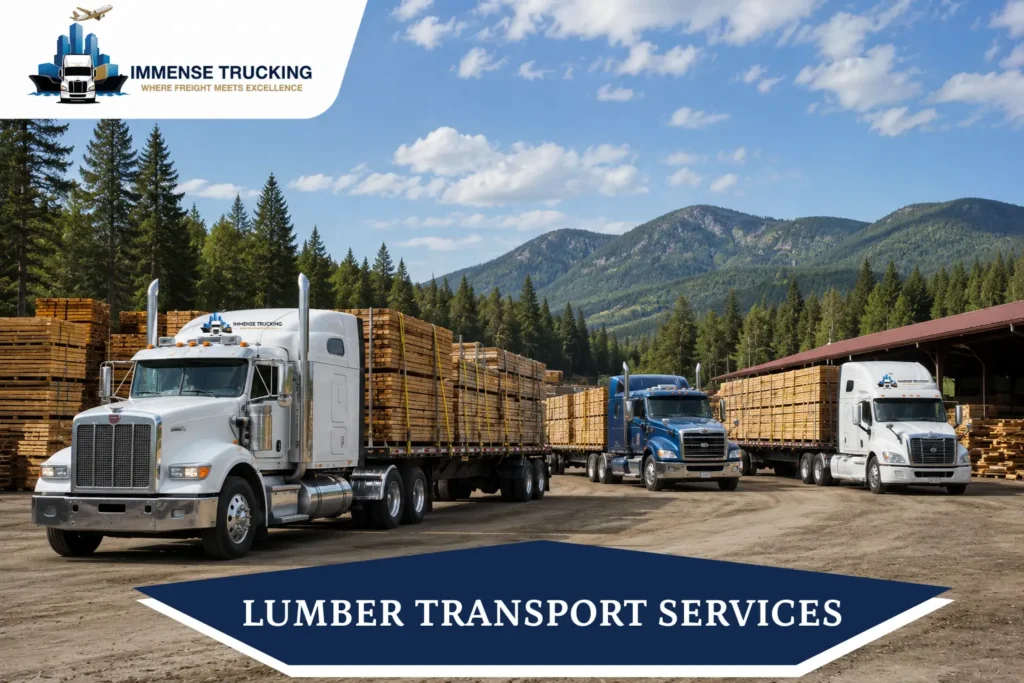
Lumber Transport Services: Safe, Reliable & Efficient Shipping Solutions

Moving lumber isn’t as simple as loading wood onto a truck. Every shipment needs careful planning, the right equipment, and experienced drivers. Weather, road conditions, weight limits, and delivery schedules all play a role. That’s why lumber transport services are essential for businesses that depend on reliable freight movement. Whether you’re shipping raw timber, treated lumber, plywood, or engineered wood products, choosing the right logistics partner makes a real difference. We understand the challenges involved. Moreover, we know that every load deserves safe handling and on-time delivery. In this guide, we’ll explain how professional transportation works, why it matters, and what to look for when choosing a logistics provider. Along the way, we’ll also show how dependable freight services support businesses across Canada and North America. Why Lumber Transport Services Matter The lumber industry supports construction, manufacturing, and retail businesses every day. Therefore, reliable lumber transport services are essential for keeping projects on schedule. Moreover, lumber products often vary in size, weight, and shape. Because of this, every shipment requires careful planning and secure loading. In addition, professional transportation helps reduce cargo damage during transit. As a result, businesses save money and avoid unnecessary delays. Furthermore, experienced drivers understand provincial regulations and road restrictions. Consequently, shipments move safely from pickup to delivery. Overall, dependable transportation improves customer satisfaction while strengthening the entire supply chain. Understanding the Challenges of Lumber Transportation Every best lumber trucking Company presents different challenges. Some loads travel only a few hundred miles. Others cross provinces or international borders. Several factors affect transportation, including: Product dimensions Load weight Delivery deadlines Seasonal road restrictions Weather conditions Border documentation Because of these variables, careful planning becomes essential before every shipment. Furthermore, experienced drivers know how to protect lumber from shifting during transit. This reduces product loss and improves customer satisfaction. Choosing the Right Equipment Different lumber products require different trailers. For example, flatbed trailers work well for long timber bundles. Meanwhile, Conestoga trailers provide extra protection from rain and snow. Therefore, they are a good choice for weather-sensitive materials. Additionally, step-deck trailers make loading taller equipment easier. Likewise, curtain-side trailers offer quick loading while protecting cargo. As a result, selecting the correct trailer improves both safety and delivery efficiency. Safe Loading Makes Every Shipment Better Safety begins before the truck leaves the yard. Proper loading techniques reduce accidents and protect valuable cargo. Good loading practices include: Even weight distribution High-quality straps and chains Corner protection Moisture protection Load inspections before departure Additionally, regular safety checks during transportation help maintain cargo security throughout the trip. These simple steps reduce costly delays and improve delivery reliability. Transportation Services in Canada Support Every Industry Reliable transportation services in Canada keep businesses connected across provinces. Canada’s geography creates unique transportation challenges. Long distances, changing weather, and seasonal road conditions all affect deliveries. Fortunately, experienced logistics teams understand these challenges. We carefully plan routes, monitor weather updates, and adjust schedules when necessary. Consequently, customers receive dependable transportation throughout the year. Our goal is simple. We move freight safely while helping businesses keep projects on schedule. Technology Improves Lumber Transportation Modern logistics depends on technology. Today’s transportation companies use digital tools to improve visibility and efficiency. Some common technologies include: GPS tracking Electronic logging devices Route optimization software Shipment monitoring Digital documentation Because of these systems, customers always know where their shipments are. In addition, real-time tracking improves communication between drivers, dispatchers, and customers. That means fewer surprises and faster problem-solving. Warehousing Adds More Flexibility Transportation is only one part of the supply chain. Sometimes products need temporary storage before delivery. That’s where logistics warehousing services become valuable. Warehousing provides several advantages: Inventory management Cross-docking Order consolidation Faster regional distribution Reduced transportation costs Instead of rushing every shipment, businesses gain more flexibility while improving inventory control. As demand changes, warehousing helps balance production and delivery schedules. Sustainable Transportation Is Becoming More Important Businesses today want efficient transportation. However, they also want environmentally responsible solutions. A professional recycling supply chain logistics company helps move recyclable materials while reducing waste across the supply chain. Many transportation providers now focus on: Better route planning Reduced empty miles Fuel-efficient equipment Lower emissions Smarter load consolidation These improvements benefit both businesses and the environment. Additionally, sustainable logistics often reduce operating costs over time. Heavy Freight Requires Specialized Expertise Not every shipment consists of standard lumber. Many projects involve oversized equipment, stone products, or industrial materials. That’s where heavy equipment logistics solutions become essential. These services often include: Specialized trailers Route surveys Oversize permits Escort vehicles Heavy-load planning Likewise, heavy stone transportation services require experienced drivers and specialized equipment. Planning these shipments carefully reduces risk while keeping projects moving on schedule. Lumber Logistics Supports Other Industries Transportation companies rarely move only one product. Instead, they often support multiple industries using the same logistics network. For example: Steel supply chain logistics supports manufacturing and construction. Pharma Logistics Services require precise temperature control and careful handling. Construction companies depend on reliable material deliveries. Agricultural businesses need seasonal transportation capacity. Because logistics providers work across many industries, they develop stronger transportation networks and better operational efficiency. That experience benefits every customer. Cross-Border Shipping Requires Experience Many Canadian businesses also ship products into the United States. Cross-border transportation involves additional planning. Documentation must be accurate. Customs regulations must be followed. Delivery schedules must remain reliable. An experienced trucking solutions company in USA understands these requirements and helps shipments move efficiently across borders. As a result, businesses avoid unnecessary delays while improving customer satisfaction. Strong communication between Canadian and U.S. transportation partners also improves shipment visibility from pickup to delivery. What Makes a Great Logistics Partner? Choosing a transportation provider should involve more than comparing prices. Instead, look for companies that offer experience, communication, and dependable service. A quality logistics partner should provide: Safe transportation practices Modern equipment Experienced drivers Real-time shipment tracking Flexible scheduling Responsive customer support Industry knowledge Regulatory compliance Moreover, long-term partnerships often improve shipping efficiency over time. The provider learns your business, understands

best trucking company in Canada
Trucking Company

5 Smart Tips for Choosing the Best Trucking Company in Canada

Choosing the Best Trucking Company in Canada Finding the best trucking company in Canada is one of the most important decisions for any business that depends on shipping and transportation. A reliable logistics partner helps us deliver products on time, reduce costs, and improve customer satisfaction. Moreover, today’s supply chains are more demanding than ever. Therefore, choosing the right transportation provider can directly affect business growth. Whether we need local deliveries, cross-border shipping, warehousing support, or specialized freight handling, the right company can make daily operations much easier. In this guide, we’ll share five smart tips that can help us select a dependable transportation partner. Best Trucking Company in Canada with Proven Experience Experience is often a strong indicator of service quality. A transportation provider that has handled different types of freight usually understands industry challenges better. For example, shipping retail products requires a different approach than transporting industrial equipment. Similarly, temperature-sensitive goods require specialized handling. Before making a decision, we should review: Years in operation Customer reviews Industry expertise Safety records Delivery performance Furthermore, experienced providers can respond quickly to unexpected issues. As a result, businesses experience fewer disruptions. Many companies searching for the best trucking company in Canada start by evaluating reputation and long-term reliability. 2. Look for Complete Logistics Support Modern businesses often need more than transportation alone. In addition, they may require warehousing, inventory management, and distribution services. A trusted logistics solutions company in Canada can provide multiple services under one roof. Consequently, logistics operations become more efficient and easier to manage. Key services may include: Freight transportation Warehousing Distribution Cross-docking Inventory management Shipment tracking Moreover, working with a full-service provider reduces the need to coordinate with multiple vendors. Businesses often prefer a logistics company that can adapt services according to changing requirements. 3. Evaluate Technology and Shipment Visibility Technology has transformed the transportation industry. Today, customers expect real-time updates and complete shipment visibility. Therefore, transportation providers should offer modern tracking systems. Important technology features include: GPS tracking Real-time shipment updates Electronic documentation Route optimization Automated reporting Furthermore, advanced technology helps improve communication and delivery accuracy. The best transportation services in Canada typically invest in digital tools because they increase efficiency and customer satisfaction. Meanwhile, a dependable Canada shipping company should provide accurate updates from pickup to delivery. 4. Check Coverage and Freight Capabilities Service coverage is another important factor. Some transportation providers only serve specific regions. However, others operate across Canada and internationally. Before choosing a provider, we should verify: Service areas Fleet size Equipment availability Cross-border capabilities Freight options Additionally, companies involved in international trade should evaluate whether the provider operates as a trucking solutions company in Usa and Canada. This capability can simplify cross-border transportation and reduce delays. Furthermore, businesses often benefit from providers offering: Full truckload services Less-than-truckload shipping Expedited freight Specialized transportation International air freight solutions As a result, businesses gain greater flexibility when transportation needs change. 5. Compare Customer Service and Long-Term Value Price matters. However, service quality matters even more. The lowest transportation rate may not always provide the best value. Therefore, we should assess the overall customer experience. Consider asking: How quickly do they respond? Do they provide shipment updates? How do they handle delays? Are customized solutions available? Is support available when needed? Moreover, strong communication helps prevent many transportation issues before they become serious problems. The best transportation services in Canada focus on building long-term partnerships rather than simply completing shipments. Similarly, a quality freight logistics solutions company works closely with customers to improve supply chain performance. Why Many Businesses Use 3PL Logistics Companies in Canada As businesses expand, logistics becomes more complex. Because of this, many organizations partner with 3PL logistics companies in Canada. Third-party logistics providers help manage: Transportation Warehousing Distribution Inventory control Freight coordination Furthermore, 3PL providers often offer scalable solutions that support business growth. As a result, companies can improve efficiency without investing heavily in logistics infrastructure. Many businesses consider these providers an essential part of a successful supply chain strategy. The Value of Cross-Border Transportation Canada and the United States maintain strong trade relationships. Therefore, cross-border shipping remains important for many industries. When evaluating transportation partners, we should look for experience as a trucking solutions company in Usa and Canada. Important considerations include: Customs documentation Border compliance Freight visibility Delivery coordination Regulatory knowledge Furthermore, experienced providers help reduce border-related delays. Consequently, businesses can maintain reliable delivery schedules and stronger customer relationships. Why International Air Freight Solutions Matter Sometimes speed is more important than cost. In these situations, international air freight solutions can be extremely valuable. Air freight is often used for: Urgent deliveries High-value products Time-sensitive shipments International distribution Moreover, air transportation provides an additional option during supply chain disruptions. Businesses that require flexibility often prefer logistics providers that offer both ground transportation and air freight services. Best Logistics Company in Brampton Ontario: What to Look For Businesses searching for the best logistics company in Brampton Ontario should focus on more than pricing alone. Instead, evaluate: Industry experience Service reliability Technology systems Customer support Logistics capabilities Furthermore, providers with comprehensive transportation and warehousing services can often deliver better long-term value. Similarly, organizations looking for the best logistics company in Canada should prioritize operational excellence, communication, and flexibility. Conclusion Selecting the best trucking company in Canada requires careful research and planning. Moreover, the right provider should offer reliable transportation, modern technology, responsive customer support, and complete logistics services. Whether we’re looking for a freight logistics solutions company or international air freight solutions, choosing the right partner can improve efficiency and support long-term growth. At Immense Trucking Solutions Ltd, we help businesses move freight efficiently and provide dependable logistics support tailored to their needs. Frequently Asked Questions 1. How do we choose the best trucking company in Canada? We should look at experience, customer reviews, service coverage, technology, safety records, and communication. Moreover, a company that offers complete logistics support can provide greater value in the long run. 2. Why is real-time shipment

Scroll to Top