Intermodal Drayage in Canada: Rail, Trucks & Ports Guide
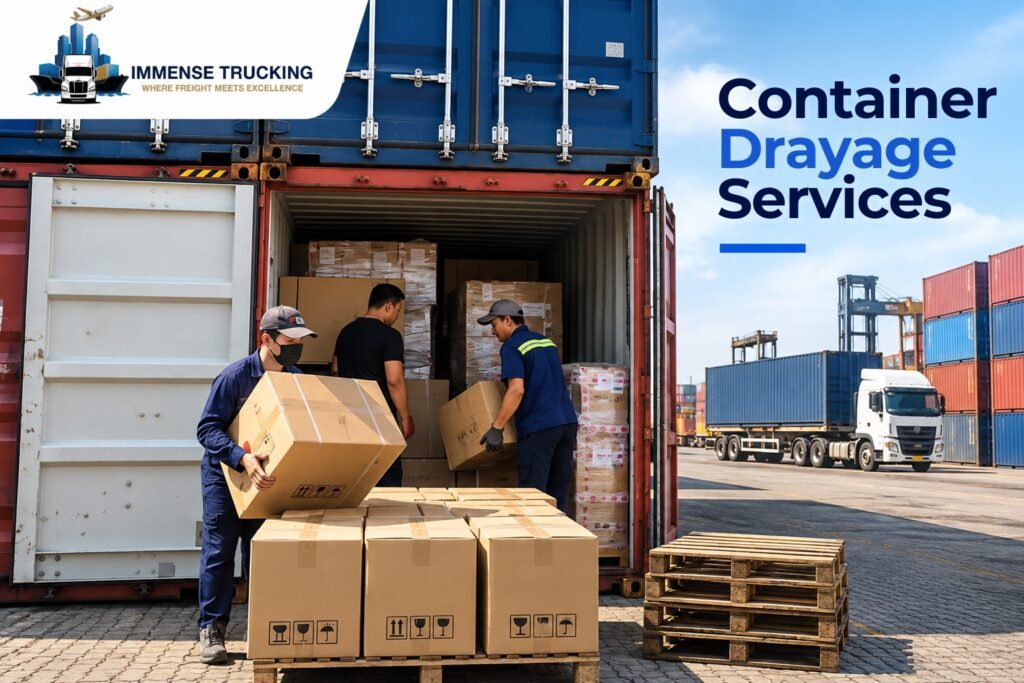
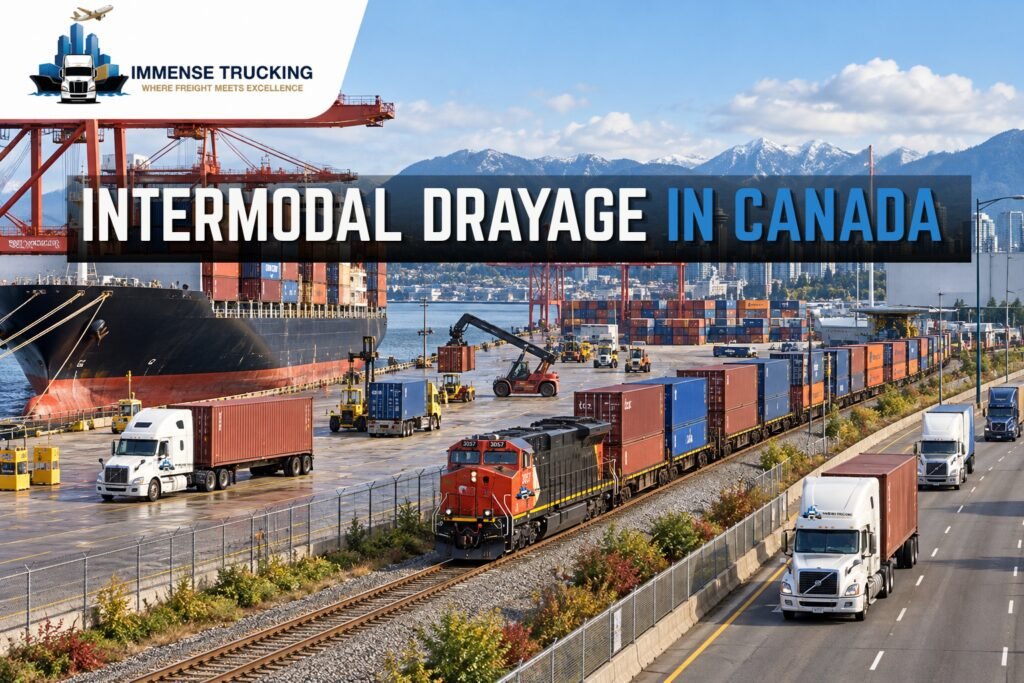
How Intermodal Drayage in Canada Connects Rail, Trucks & Ports Introduction Modern freight rarely moves from a ship directly to its final destination. Instead, a container may travel by ocean vessel, rail, and truck before reaching a warehouse or customer. Intermodal drayage in Canada provides the short-distance trucking connection that makes these transportation modes work together. In simple terms, drayage moves containers between nearby transportation points. These may include ports, rail terminals, warehouses, distribution centres, and manufacturing facilities. The truck leg may be short, but it plays an important role in keeping the larger supply chain moving. Canada’s major transportation gateways demonstrate why this connection matters. For example, the Port of Montreal operates an on-dock rail network that connects directly with major North American rail systems. The Port of Halifax also has on-dock rail connections, with CN providing rail service toward major inland markets such as Montreal, Toronto, and Chicago. What Is Intermodal Drayage in Canada? Intermodal drayage in Canada is the short-haul movement of freight containers between different parts of an intermodal supply chain. An intermodal shipment normally uses more than one transportation mode while keeping the cargo inside the same container. For example: Ocean vessel → Port → Drayage truck → Rail terminal → Rail → Drayage truck → Warehouse The truck does not replace the train or vessel. Instead, it connects them. This distinction is important because rail is efficient for many long-distance movements, while trucks provide the flexibility needed for first-mile and last-mile transportation. Canada’s intermodal network combines these strengths. CN, for example, operates intermodal terminals across Canada and connects rail, trucks, and vessels through its network. Its Canadian terminals include locations such as Brampton, Montreal, Edmonton, Calgary, Halifax, Vancouver, Winnipeg, and other markets. How Does the Port-to-Rail-to-Truck Process Work? A typical container journey can involve several coordinated steps. 1. The container arrives at a Canadian port An ocean carrier brings the container into a marine terminal. The terminal handles unloading, temporary container positioning, documentation, and transfer planning. Ports such as Montreal and Halifax have direct rail infrastructure that allows containers to move from marine terminals toward inland destinations. 2. A drayage truck collects the container. Once the container is available for pickup, a trucker collects it from the port or terminal. This is where drayage trucking services become essential. The carrier must coordinate the pickup location, appointment requirements, container details, equipment, and delivery instructions. A delay at this stage can affect the next transportation leg. Therefore, accurate scheduling matters. 3. The container moves to a rail terminal. For longer-distance shipments, the truck may deliver the container to an intermodal rail terminal. The container is then transferred from the chassis to rail equipment. The train carries it toward another Canadian market or across the Canada-U.S. supply chain. CN describes its intermodal model as a combination of container rail service and end-to-end delivery involving trucks and vessels. 4. Rail carries the long-distance portion. Rail becomes particularly useful when cargo must travel significant distances. For example, a container arriving at a western port could enter an inland rail network before reaching a distribution market. Similarly, containers entering through eastern Canada can move inland toward Ontario, Quebec, or destinations in the United States. The precise route depends on the port, railway, terminal, cargo, service schedule, and final destination. 5. A final drayage move reaches the warehouse. After the train reaches its destination terminal, another truck may collect the container. This final drayage leg can take the shipment to a warehouse, distribution center, manufacturing plant, or customer. As a result, container drayage services effectively bridge the gaps between major transportation modes. Why Are Drayage Services in Canada Important? The value of drayage services in Canada comes from coordination. Rail cannot normally deliver a container directly to every warehouse. Likewise, an ocean vessel cannot take a container to an inland distribution centre. Drayage provides the physical connection. It can help businesses: Move containers between ports and rail terminals Connect rail terminals with warehouses Coordinate first-mile and last-mile container transportation Reduce unnecessary container handling Support scheduled deliveries Move import and export containers between key freight locations Connect manufacturing and distribution operations However, drayage is more than simply driving a container from point A to point B. Terminal procedures, appointment windows, chassis availability, documentation, traffic, border requirements, and receiving hours can all affect the move. What Should Businesses Check Before Booking Container Drayage? A successful shipment starts with accurate information. Before arranging drayage trucking services, shippers should confirm: Container details Provide the container number, size, type, weight, and status. Equipment requirements can vary by shipment. Pickup and delivery locations Clearly identify the port, rail terminal, warehouse, or other facility involved. A small location error can create major scheduling problems. Terminal requirements Some facilities use appointment systems, driver registration, specific gate procedures, or cut-off times. CN, for example, publishes terminal information covering locations, operating hours, gate appointments, and driver registration requirements. Delivery window The receiving facility should confirm when it can accept the container. A truck arriving before the warehouse is ready can create waiting time, while a missed terminal window can affect the entire transportation plan. Customs status For international freight entering Canada, customs clearance must be considered before planning the final movement. Canada’s CBSA Assessment and Revenue Management system, known as CARM, became the official system of record for assessing and collecting duties and taxes on commercial goods imported into Canada in October 2024. For cross-border highway movements, carriers also need to understand CBSA requirements for cargo and conveyance reporting. Highway carriers transporting goods into Canada are required to transmit relevant information electronically before arrival under the eManifest framework. How Different Industries Use Intermodal Drayage Intermodal transportation is not limited to one type of freight. Steel supply chain logistics Steel products can move through ports, rail terminals, warehouses, and manufacturing facilities. Planning must account for weight, equipment, loading conditions, and delivery-site requirements. Recycling supply chain logistics Recyclable materials can require coordinated movement between collection, processing, storage, and manufacturing locations. Containerized transportation can