
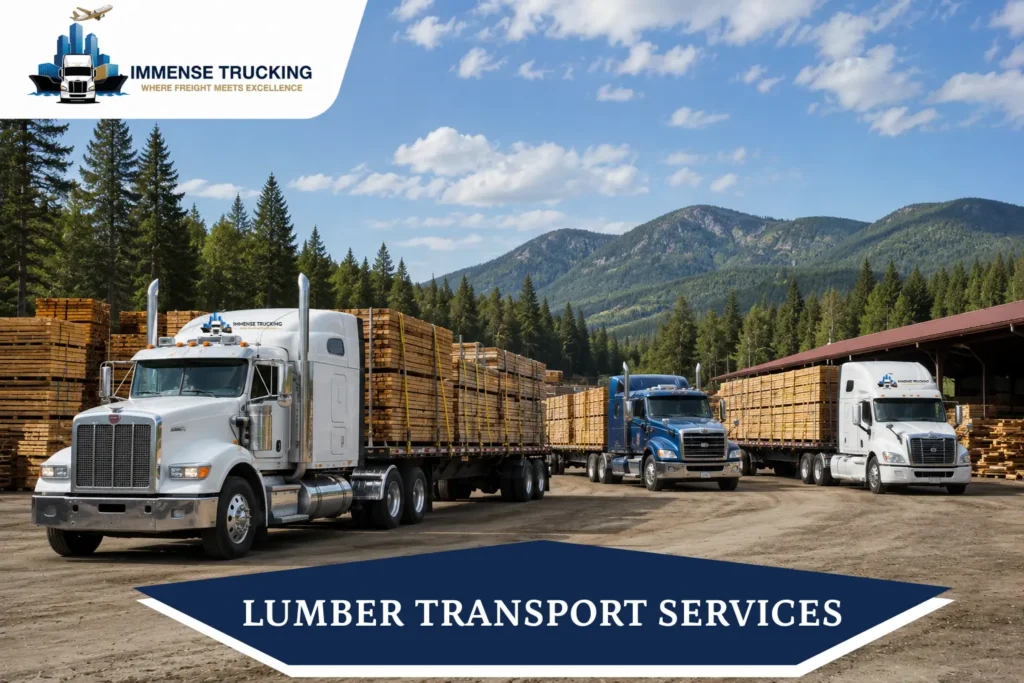
Lumber Transport Services: Safe, Reliable & Efficient Shipping Solutions
Moving lumber isn’t as simple as loading wood onto a truck. Every shipment needs careful planning, the right equipment, and experienced drivers. Weather, road conditions, weight limits, and delivery schedules all play a role. That’s why lumber transport services are essential for businesses that depend on reliable freight movement. Whether you’re shipping raw timber, treated lumber, plywood, or engineered wood products, choosing the right logistics partner makes a real difference. We understand the challenges involved. Moreover, we know that every load deserves safe handling and on-time delivery. In this guide, we’ll explain how professional transportation works, why it matters, and what to look for when choosing a logistics provider. Along the way, we’ll also show how dependable freight services support businesses across Canada and North America. Why Lumber Transport Services Matter The lumber industry supports construction, manufacturing, and retail businesses every day. Therefore, reliable lumber transport services are essential for keeping projects on schedule. Moreover, lumber products often vary in size, weight, and shape. Because of this, every shipment requires careful planning and secure loading. In addition, professional transportation helps reduce cargo damage during transit. As a result, businesses save money and avoid unnecessary delays. Furthermore, experienced drivers understand provincial regulations and road restrictions. Consequently, shipments move safely from pickup to delivery. Overall, dependable transportation improves customer satisfaction while strengthening the entire supply chain. Understanding the Challenges of Lumber Transportation Every best lumber trucking Company presents different challenges. Some loads travel only a few hundred miles. Others cross provinces or international borders. Several factors affect transportation, including: Product dimensions Load weight Delivery deadlines Seasonal road restrictions Weather conditions Border documentation Because of these variables, careful planning becomes essential before every shipment. Furthermore, experienced drivers know how to protect lumber from shifting during transit. This reduces product loss and improves customer satisfaction. Choosing the Right Equipment Different lumber products require different trailers. For example, flatbed trailers work well for long timber bundles. Meanwhile, Conestoga trailers provide extra protection from rain and snow. Therefore, they are a good choice for weather-sensitive materials. Additionally, step-deck trailers make loading taller equipment easier. Likewise, curtain-side trailers offer quick loading while protecting cargo. As a result, selecting the correct trailer improves both safety and delivery efficiency. Safe Loading Makes Every Shipment Better Safety begins before the truck leaves the yard. Proper loading techniques reduce accidents and protect valuable cargo. Good loading practices include: Even weight distribution High-quality straps and chains Corner protection Moisture protection Load inspections before departure Additionally, regular safety checks during transportation help maintain cargo security throughout the trip. These simple steps reduce costly delays and improve delivery reliability. Transportation Services in Canada Support Every Industry Reliable transportation services in Canada keep businesses connected across provinces. Canada’s geography creates unique transportation challenges. Long distances, changing weather, and seasonal road conditions all affect deliveries. Fortunately, experienced logistics teams understand these challenges. We carefully plan routes, monitor weather updates, and adjust schedules when necessary. Consequently, customers receive dependable transportation throughout the year. Our goal is simple. We move freight safely while helping businesses keep projects on schedule. Technology Improves Lumber Transportation Modern logistics depends on technology. Today’s transportation companies use digital tools to improve visibility and efficiency. Some common technologies include: GPS tracking Electronic logging devices Route optimization software Shipment monitoring Digital documentation Because of these systems, customers always know where their shipments are. In addition, real-time tracking improves communication between drivers, dispatchers, and customers. That means fewer surprises and faster problem-solving. Warehousing Adds More Flexibility Transportation is only one part of the supply chain. Sometimes products need temporary storage before delivery. That’s where logistics warehousing services become valuable. Warehousing provides several advantages: Inventory management Cross-docking Order consolidation Faster regional distribution Reduced transportation costs Instead of rushing every shipment, businesses gain more flexibility while improving inventory control. As demand changes, warehousing helps balance production and delivery schedules. Sustainable Transportation Is Becoming More Important Businesses today want efficient transportation. However, they also want environmentally responsible solutions. A professional recycling supply chain logistics company helps move recyclable materials while reducing waste across the supply chain. Many transportation providers now focus on: Better route planning Reduced empty miles Fuel-efficient equipment Lower emissions Smarter load consolidation These improvements benefit both businesses and the environment. Additionally, sustainable logistics often reduce operating costs over time. Heavy Freight Requires Specialized Expertise Not every shipment consists of standard lumber. Many projects involve oversized equipment, stone products, or industrial materials. That’s where heavy equipment logistics solutions become essential. These services often include: Specialized trailers Route surveys Oversize permits Escort vehicles Heavy-load planning Likewise, heavy stone transportation services require experienced drivers and specialized equipment. Planning these shipments carefully reduces risk while keeping projects moving on schedule. Lumber Logistics Supports Other Industries Transportation companies rarely move only one product. Instead, they often support multiple industries using the same logistics network. For example: Steel supply chain logistics supports manufacturing and construction. Pharma Logistics Services require precise temperature control and careful handling. Construction companies depend on reliable material deliveries. Agricultural businesses need seasonal transportation capacity. Because logistics providers work across many industries, they develop stronger transportation networks and better operational efficiency. That experience benefits every customer. Cross-Border Shipping Requires Experience Many Canadian businesses also ship products into the United States. Cross-border transportation involves additional planning. Documentation must be accurate. Customs regulations must be followed. Delivery schedules must remain reliable. An experienced trucking solutions company in USA understands these requirements and helps shipments move efficiently across borders. As a result, businesses avoid unnecessary delays while improving customer satisfaction. Strong communication between Canadian and U.S. transportation partners also improves shipment visibility from pickup to delivery. What Makes a Great Logistics Partner? Choosing a transportation provider should involve more than comparing prices. Instead, look for companies that offer experience, communication, and dependable service. A quality logistics partner should provide: Safe transportation practices Modern equipment Experienced drivers Real-time shipment tracking Flexible scheduling Responsive customer support Industry knowledge Regulatory compliance Moreover, long-term partnerships often improve shipping efficiency over time. The provider learns your business, understands